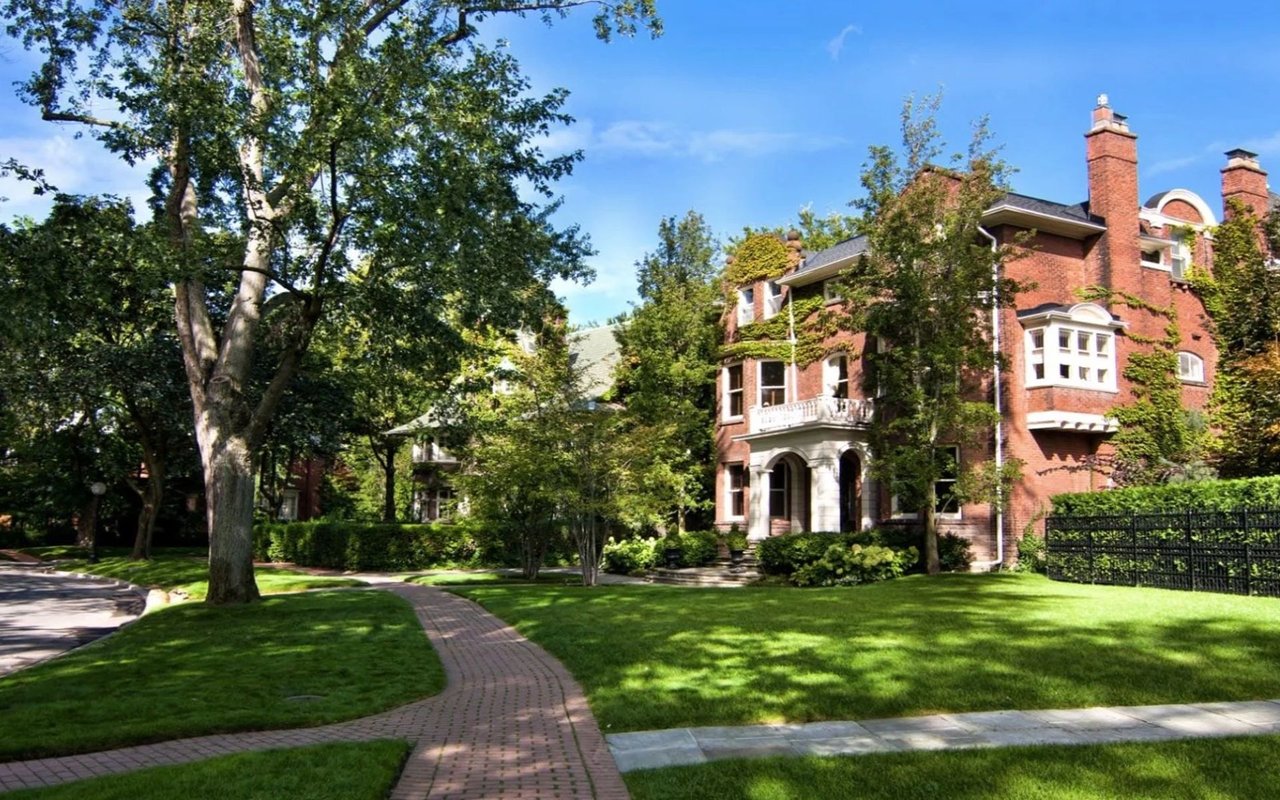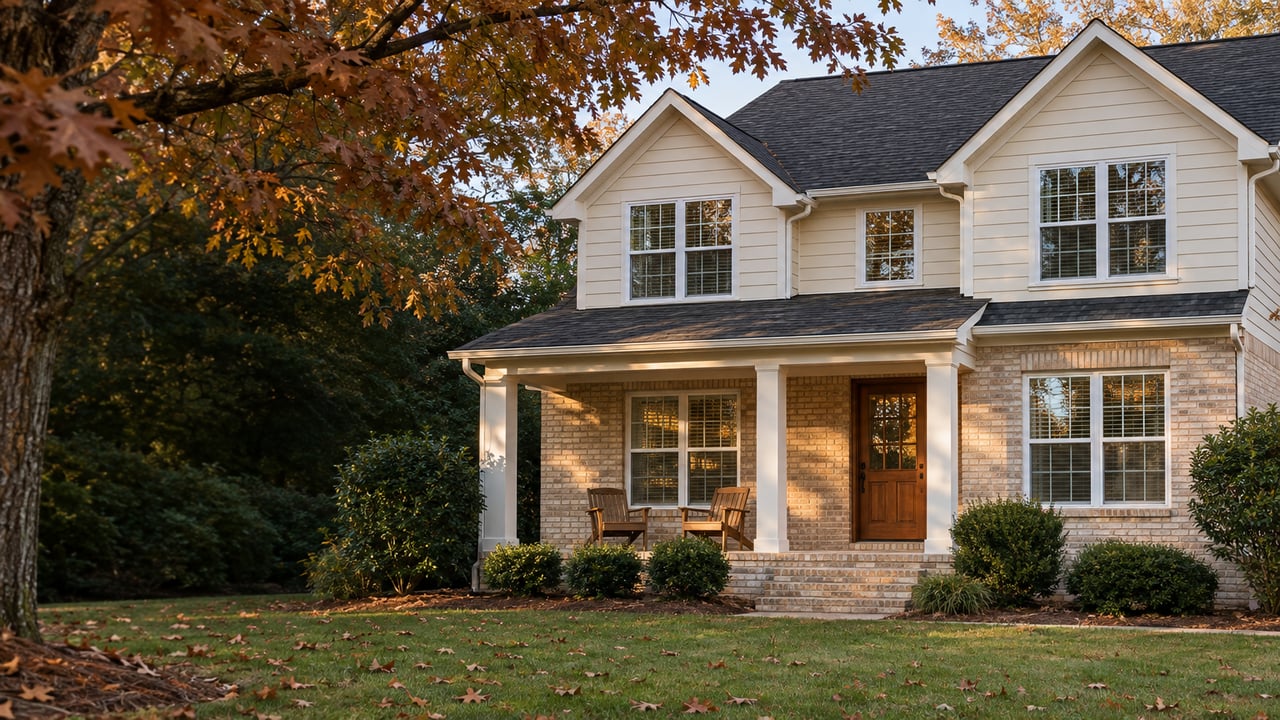
Two identical houses on the same Indian Land street can get property tax bills that differ by thousands of dollars a year. Different assessment ratios and millage rates can make a substantial difference.
For buyers comparing Indian Land with the North Carolina suburbs just over the state line, this is the part of the cost of ownership that the listing sheet doesn't show. The low South Carolina tax bill people talk about is real.
The same house, two very different bills
South Carolina assesses property at a percentage of its fair market value. Under S.C. Code §12-43-220(c), an owner-occupied legal residence and up to five contiguous acres are assessed at "four percent of the fair market value." Other real property is assessed at 6%.
In Lancaster County the gap grows wider than those two percentages suggest, because an approved legal residence also stops paying school operating millage. The Lancaster County Auditor's 2026 millage sheet, revised August 6, 2026, puts the total levy at 344.2 mills. The residential millage for an owner-occupied home is 163.2.
| 2026 Lancaster County levy | Mills |
|---|---|
| County operating | 82.2 |
| County debt | 2.5 |
| Capital improvement | 5.0 |
| School operating | 181.0 |
| School debt | 65.0 |
| USC Lancaster | 4.6 |
| Courthouse security | 3.9 |
| Total, all property | 344.2 |
| Residential, owner-occupied | 163.2 |
Here's a rough illustration with a $450,000 home and the 2026 rates. It leaves out the local option sales tax credit and any fees.
- Approved legal residence: $450,000 × 4% = $18,000 assessed value. At 163.2 mills, that's about $2,938.
- Assessed at 6%: $450,000 × 6% = $27,000 assessed value. At 344.2 mills, that's about $9,293.
That's roughly three times as much for the same house. This is an estimate to show the size of the gap, not a bill. Your actual figure comes from the county.
Rates also change from year to year. The 2025 sheet listed 338.2 total mills and 162.2 residential. In June 2026, WBTV reported that Lancaster County Council's budget for fiscal 2026-27 included a one-mill property tax increase. County leaders put the cost at about $8 per $200,000 owner-occupied home. Next to the gap between the two ratios, that's a small change.
The legal residence application
The county application asks for:
- A South Carolina driver's license or state ID showing the current address, for the owner and for a spouse if married
- Copies of the registrations for every vehicle owned
- In some cases, trust beneficiary pages, LLC articles of organization, or court divorce or separation records
The statute also lets the assessor ask for your most recently filed South Carolina income tax return and other proof. According to the Lancaster County Assessor FAQ, you can apply online, in person at the Assessor's office, or on a printable application that you bring in.
Reassessment and appraisal
South Carolina limits how much a property's taxable value can rise in a countywide reassessment. The limit is 15%. The South Carolina Department of Revenue's property tax manual also describes appraisal adjustments after an assessable transfer of interest.
Property tax billing in Lancaster County
Lancaster County's August 2026 budget report says property tax bills go out in September and are due in January of the following year.
Our mortgage calculator can help you compare monthly payments.
The charges that aren't millage
Indian Land is unincorporated, so homes there are served by a special tax district for fire protection. Lancaster County's adopted fee schedule for fiscal 2026-27 lists a uniform service charge of $240 per residential unit for the Indian Land Consolidated Fire District, which was formed from the former Pleasant Valley and Indian Land fire districts. The schedule lists it as a set amount per residential unit, not as millage, so it belongs on its own line when you add up the cost of ownership.
Property tax classification
Property tax classification depends on the property and the owner's circumstances; confirm your own classification with the Lancaster County Assessor.
This is general information, not legal, tax or financial advice. Before you rely on any figure here, confirm your own eligibility, deadlines and tax amounts with the Lancaster County Assessor, Auditor or Treasurer, or with a tax professional.
If you're considering a home in Indian Land, CRG Real Estate can help. Contact Us to start.